






2025/9/24 10:33:11
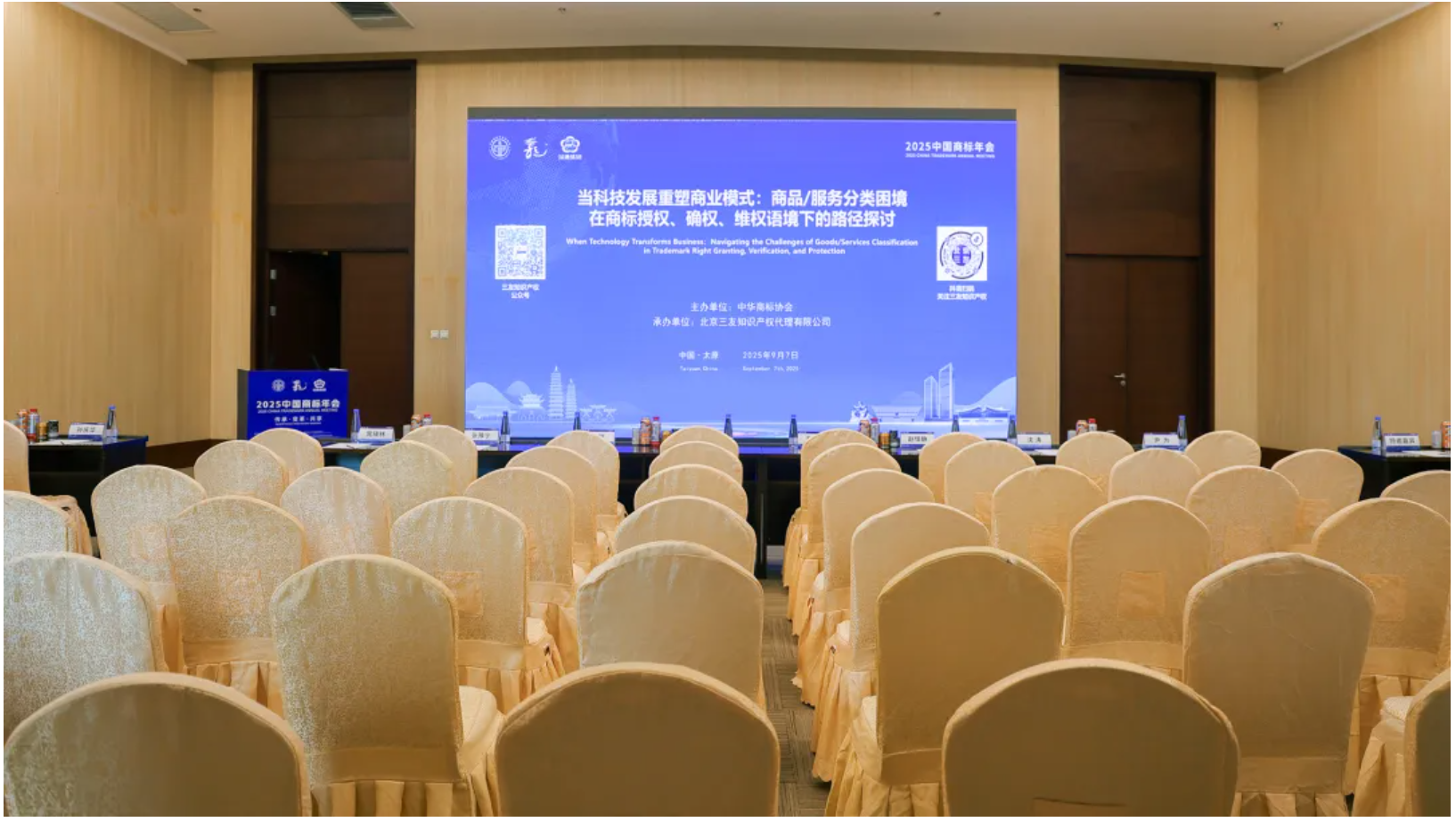
In September of the golden autumn, the fragrance of Jin music fills the air. On the morning of September 7, 2025, the "Sanyou Salon" of the Taiyuan Trademark Festival series of activities, titled "When Technology Developments Reshape Business Models: Exploring the Path of Product/Service Classification Difficulties in the Context of Trademark Authorization, Confirmation, and Rights Protection," was successfully held at the Jinyanghu International Convention Center in Taiyuan.
This salon is guided by the China Trademark Association and co organized by Beijing Sanyou Intellectual Property Agency Co., Ltd. It brings together elites from academia, the judiciary, regulatory agencies, and the business world to engage in in-depth dialogue on the core pain points of trademark classification in the digital economy era, and to gather wisdom to solve industry problems. This is the tenth consecutive year that Sanyou has presented a splendid trademark themed salon for the China International Trademark and Brand Festival.
At the beginning of the salon, Zhang Yuning, Deputy Secretary General of the China Trademark Association, delivered a speech and warmly congratulated the salon. He emphasized that the logic of "clear definition and classification management" in the current trademark goods/services classification system has shown limitations when facing new formats such as AI generated content, metaverse services, and blockchain traceability, and this issue has permeated the entire trademark process. Trademark rights, as the "passport" for enterprise competition and the "catalyst" for innovation, solving the classification dilemma is not only an inevitable requirement for improving the legal system, but also a key to ensuring high-quality development of the digital economy. The China Trademark Association will continue to build a communication platform to promote collaborative exploration of solutions among all parties.
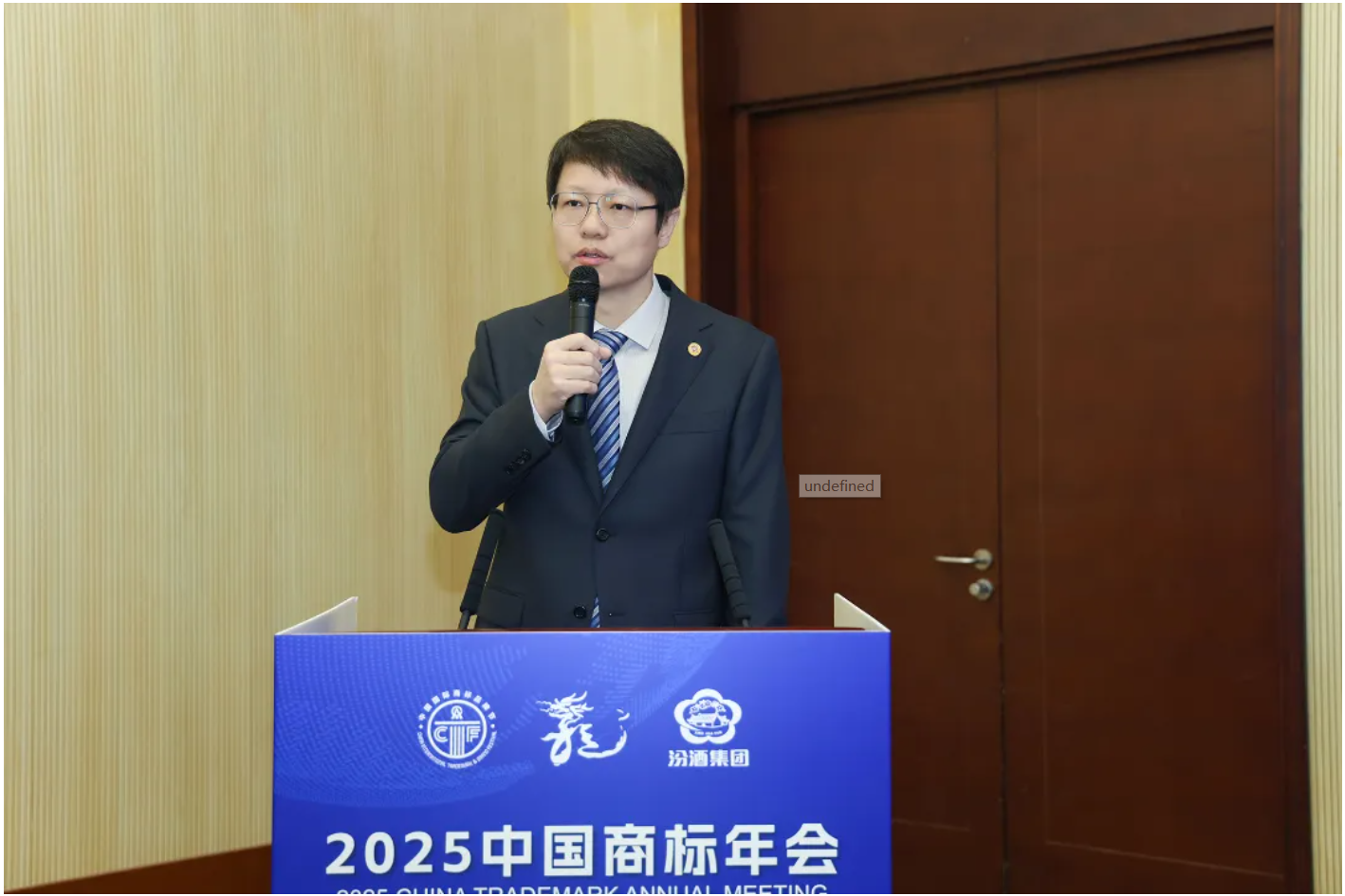
Speech by Zhang Yuning, Deputy Secretary General of the China Trademark Association
In his speech, Dang Xiaolin, General Manager of Beijing Sanyou Intellectual Property Agency Co., Ltd., pointed out that technologies such as artificial intelligence, virtual reality, and blockchain are accelerating the reconstruction of the business landscape. Cross border integrated products such as "smart watches with communication and heart rate monitoring functions" and "home security equipment integrating video monitoring and environmental monitoring" are constantly emerging, but they have put the trademark classification system based on the traditional industry pattern in a difficult position - from the vague registration scope in the authorization process, to the administrative adjudication difficulties in the rights confirmation process, and to the infringement judgment disputes in the context of rights protection. These problems directly affect the rights and innovation vitality of market entities. As an agency that has been deeply involved in the field of intellectual property for nearly 40 years, Sanyou has built this platform with the hope of exploring direction for the industry through multi-party dialogue.
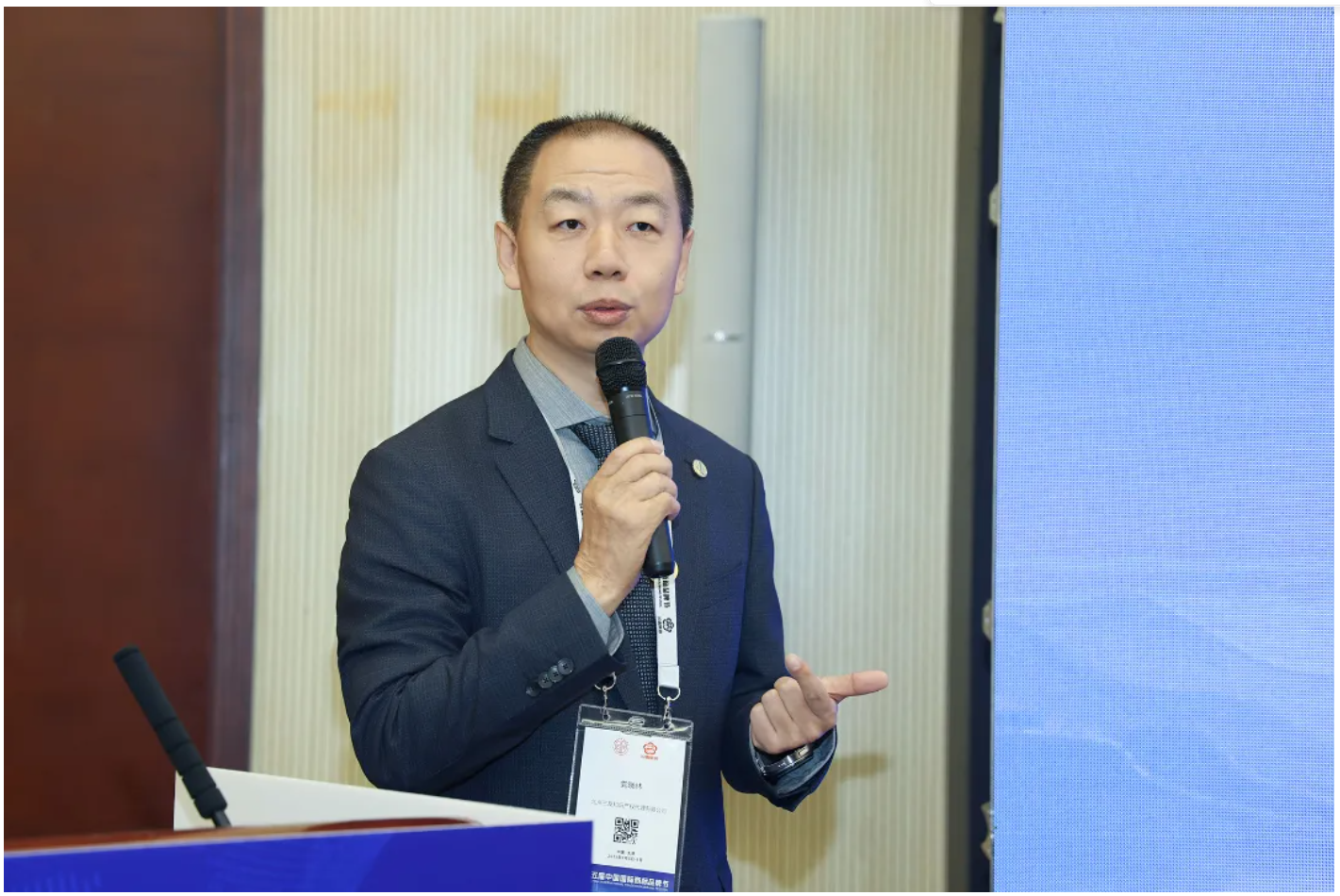
Speech by Dang Xiaolin, General Manager of Sanyou
This salon is hosted by Sun Qinghua, the Trademark Director/Partner of Beijing Sanyou Intellectual Property Agency Co., Ltd.
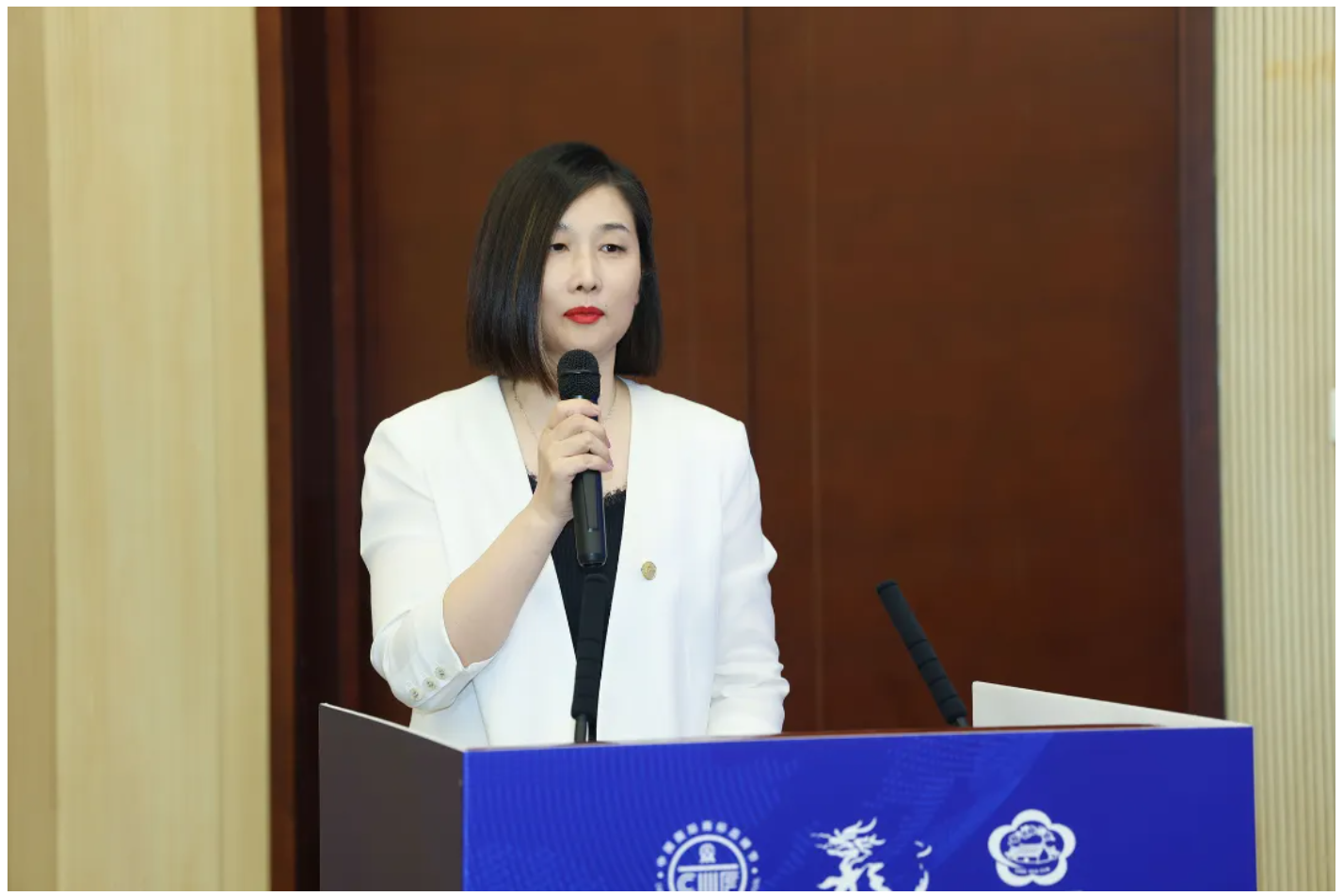 Sun Qinghua, Partner of Sanyou and Minister of Trademark Department, presides over the salon
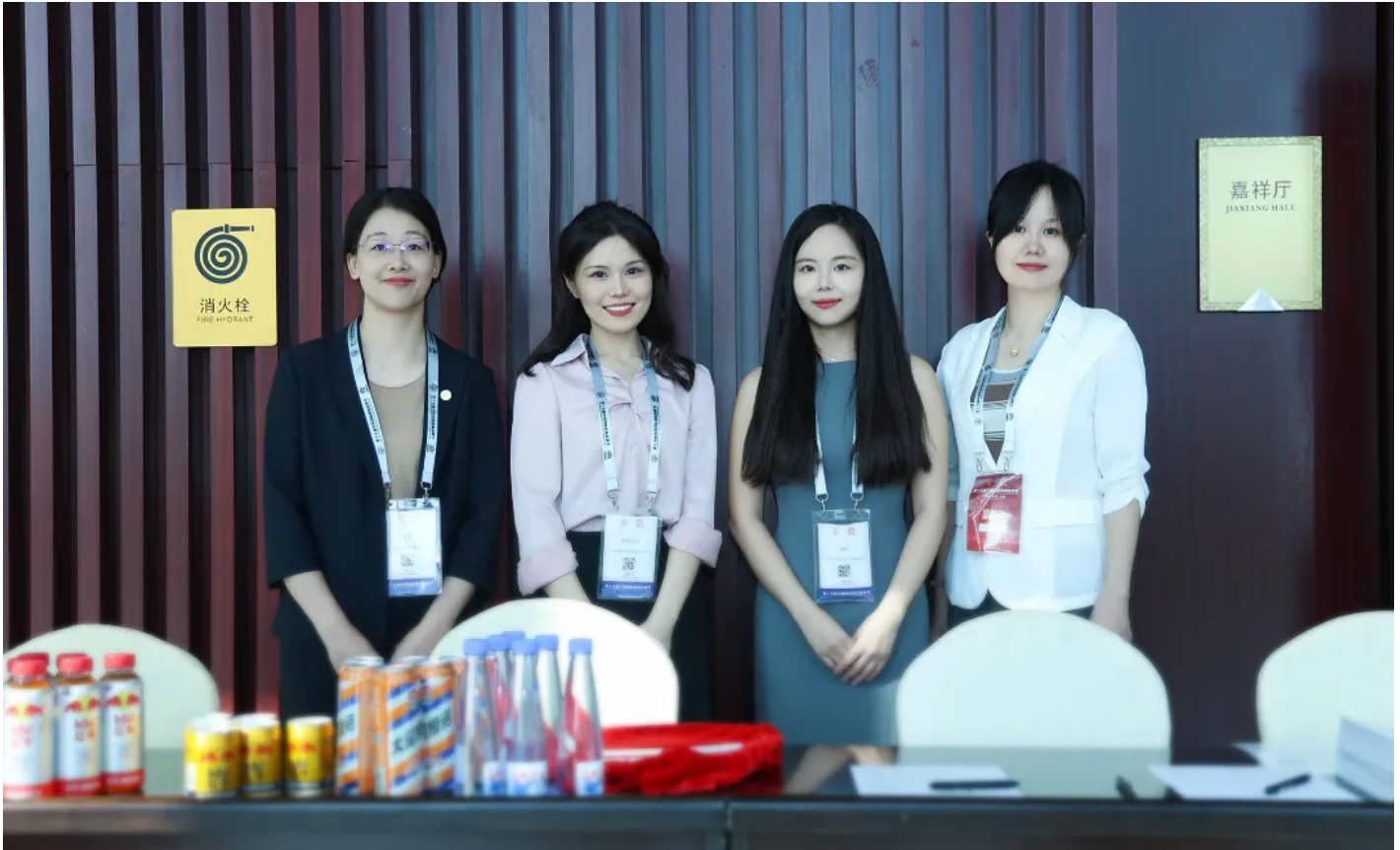
At 9am, Sanyou's lawyers and trademark agents were ready to warmly welcome new and old friends in the intellectual property industry, as well as intellectual property managers from major enterprises. Everyone gathered together, looking forward to the opening of this knowledge feast.
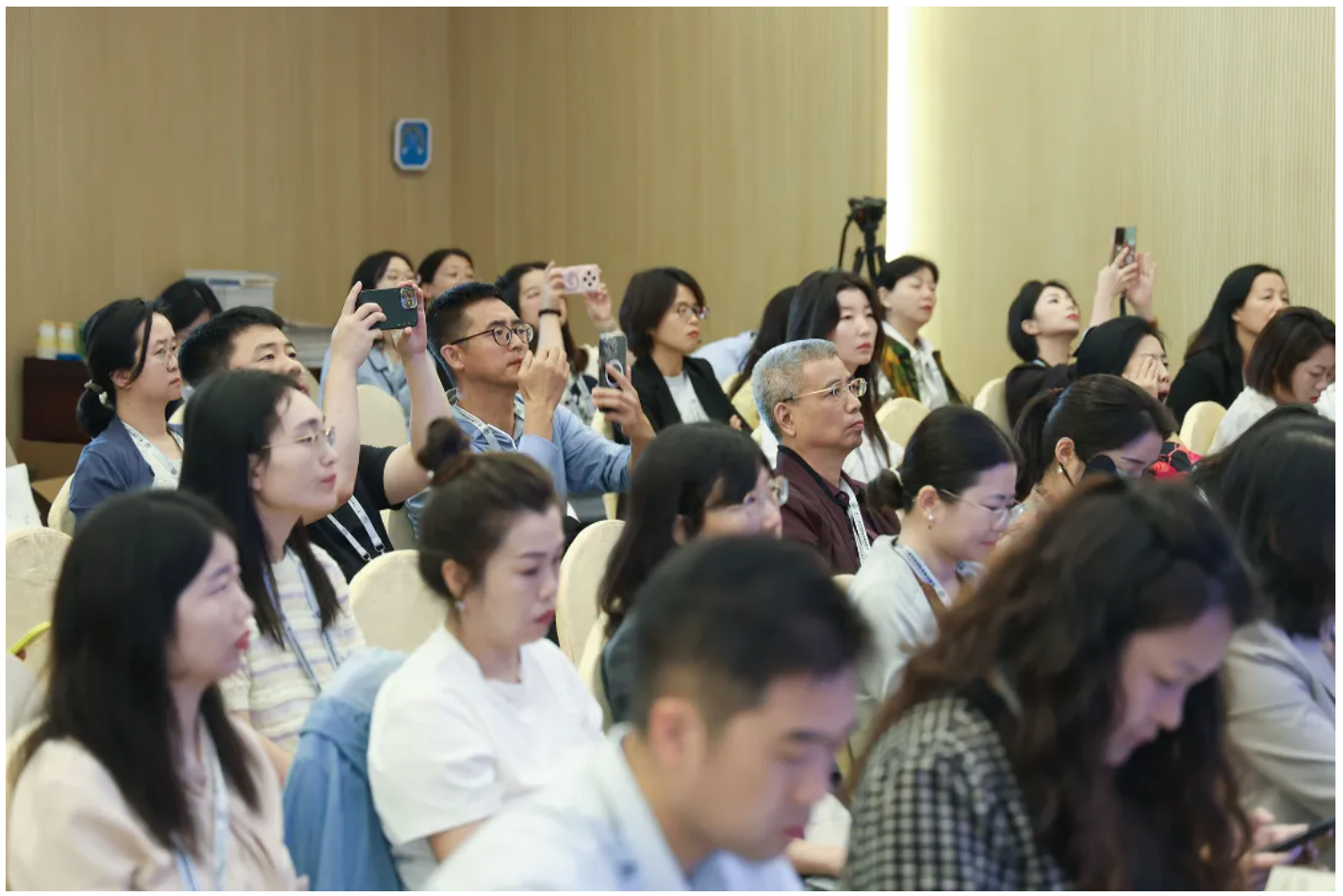
Guest sharing: Multi dimensional decomposition of pain points, providing practical breakthrough ideas
The salon brings together representatives from academia, regulators, the judiciary, and the business community to provide a comprehensive solution to the dilemma of trademark classification from multiple perspectives including theory, policy, and practice
Academic perspective: Analyzing the characteristics of new business formats and the challenges of classification systems
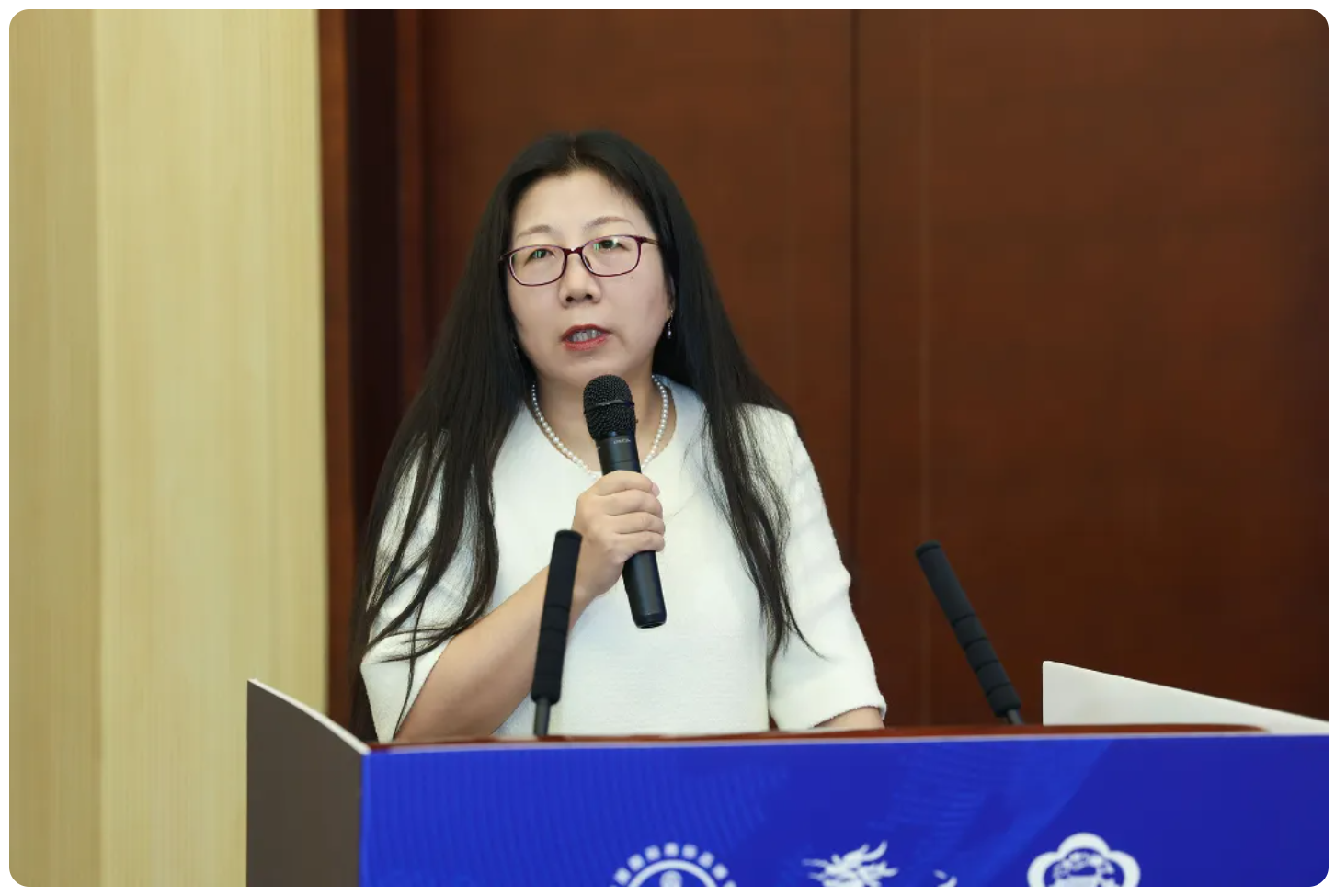 Professor Du Ying, a professor and doctoral supervisor at the Law School of Central University of Finance and Economics, first reviewed the characteristics of "category stability and clear classification" under the traditional business model, pointing out that the current new business model is showing a trend of "accelerated development of emerging industries and transformation and upgrading of traditional industries", and goods and services are gradually showing new features of "form virtualization, functional complexity, and technological convergence". She explicitly stated that the current "Classification Table for Similar Goods and Services" (referred to as the "Classification Table") is facing three major challenges: lagging market response, misplaced classification logic, and mismatch between granularity and new business models, laying a theoretical foundation for subsequent classification reconstruction.
Enterprise Practice: Methodology for Trademark Protection in the AI Era
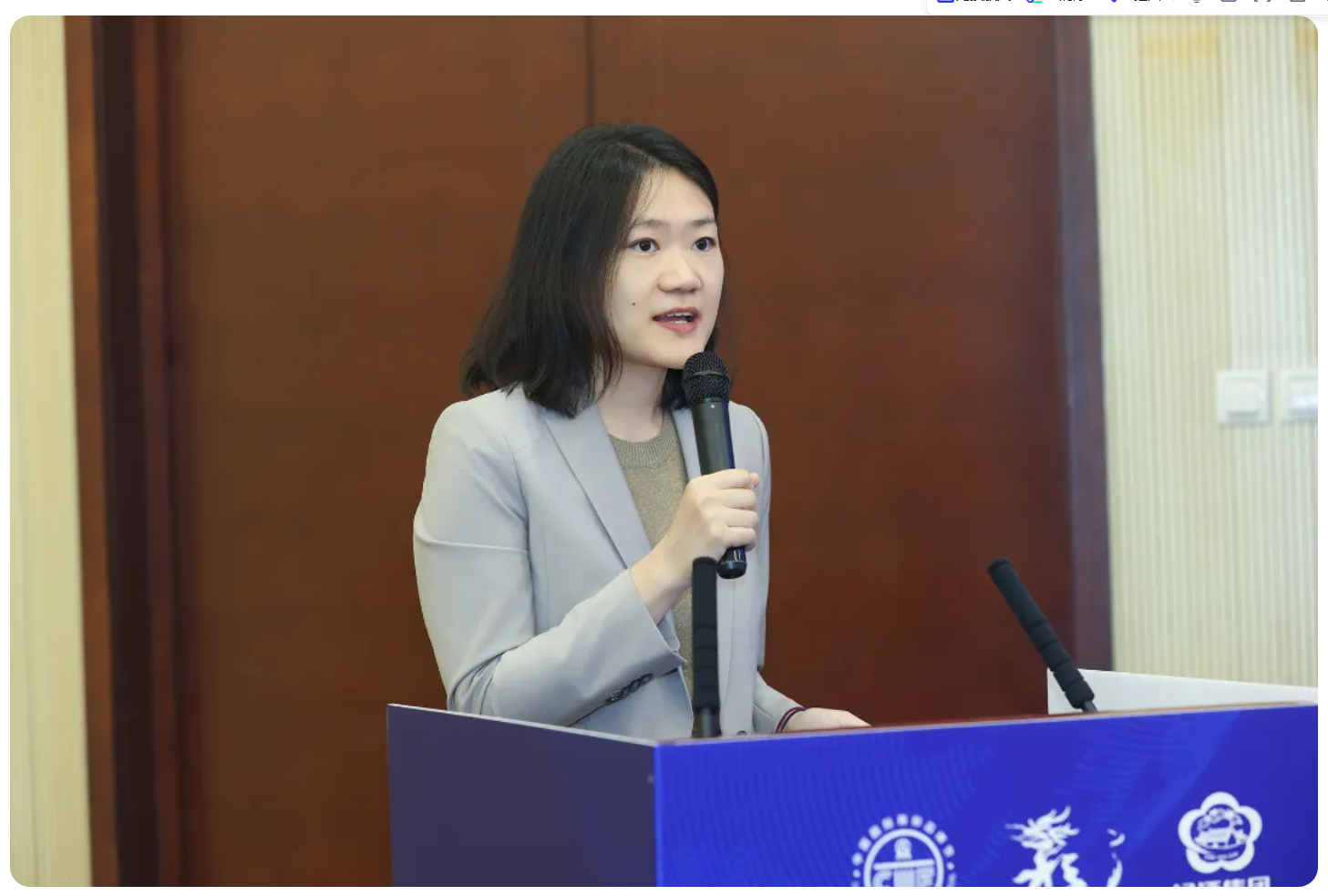
Wang Ying, Director of Intellectual Property at Beijing 58 Information Technology Co., Ltd., shared the company's response strategies using two products from 58 Group, "AI Lecture Room" and "AI Interview Room," as examples. She emphasized that the registration of new product trademarks requires a multidimensional understanding of the core functions of the product and strict adherence to the principle of "clarity and accuracy" in the "Guidelines for Trademark Examination and Adjudication"; The certification process is the "test stone" for trademark authorization and use. Enterprises need to focus on the practical application scenarios of innovative and integrated products. At the same time, it is recommended that the industry jointly explore the appeal mechanism for non-standard goods and promote the gradual standardization of non-standard goods.
Lawyer Practice: "International Experience and Local Suggestions" on App and Metaverse Classification
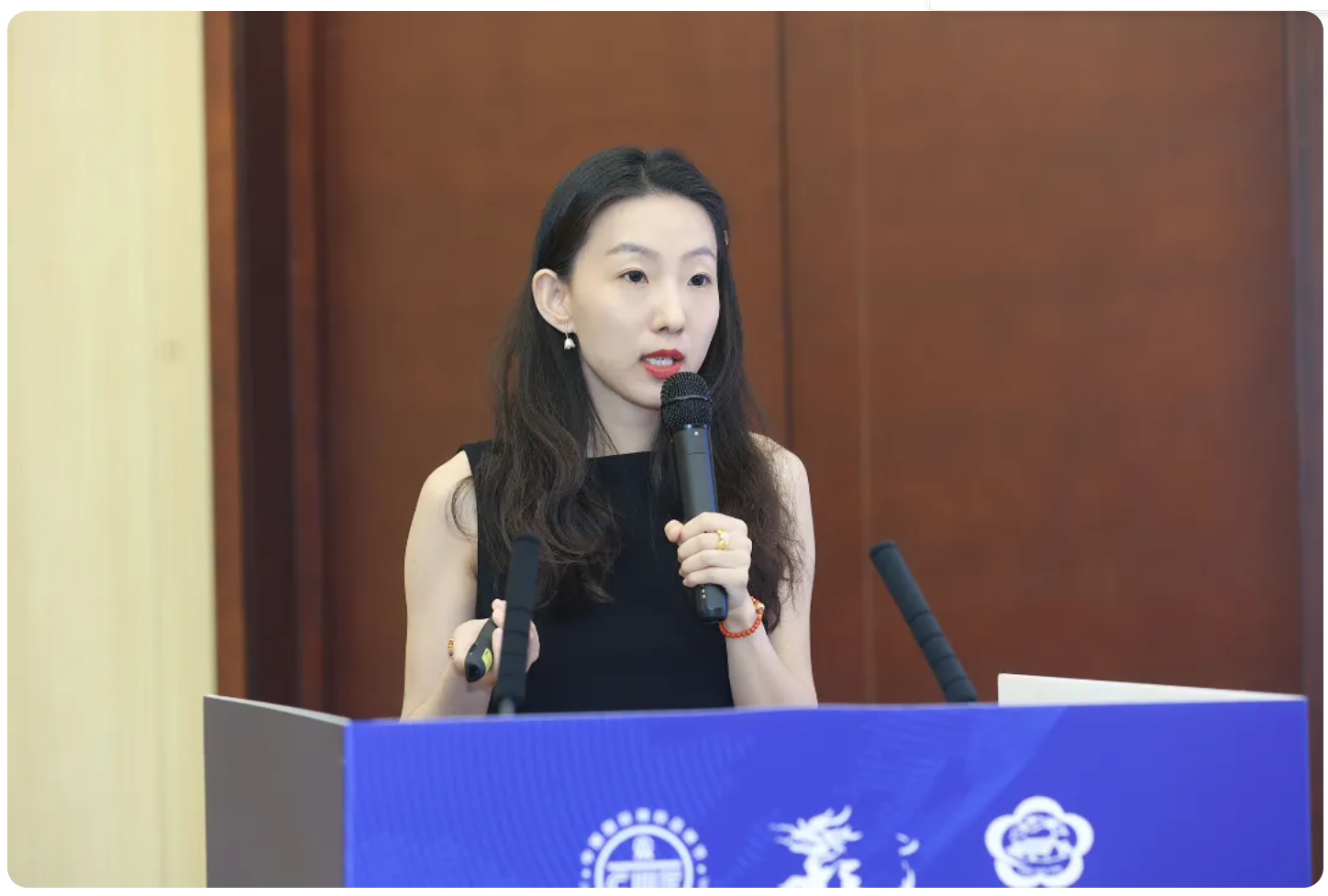
Meng Rubing, a trademark lawyer at Beijing Sanyou Intellectual Property Agency Co., Ltd., focuses on the pain points of segmentation in the digital economy, pointing out the "category determination dispute" in cases involving app trademark infringement and the classification difficulties in the metaverse era. Through the 'New Oxygen Case', the differences in attribute recognition between apps in property rights confirmation and infringement cases have been revealed; And provide specific suggestions based on the practical experience of the United States, Europe, South Korea, Japan, and China in the classification of the metaverse: clarify the scope of application for categories related to apps and metaverse, and optimize the application process for non-standard projects; At the same time, from the perspectives of both the reviewing authority and the applicant, it is recommended to strengthen communication and collaboration to enhance the adaptability of classification.
Review perspective: Official practice of classifying the "three new" fields
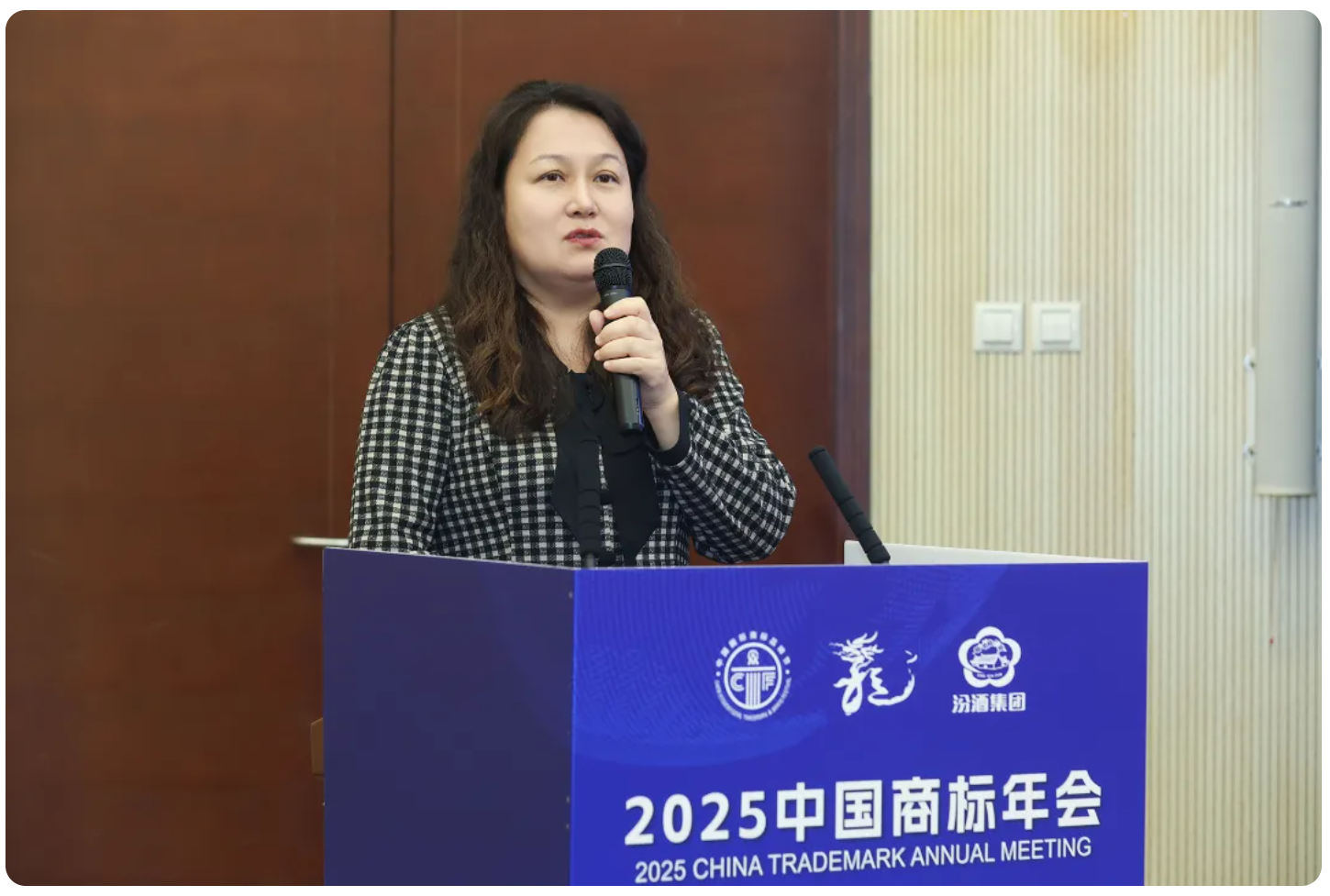
Zhao Yijing, Deputy Director of the Application Business Management Division of the Trademark Office of the China National Intellectual Property Administration, launched an official interpretation around the classification issues under "new industries, new formats and new models". She deeply analyzed the definition of virtual reality environment, the characteristics of virtual goods and services, and sorted out the difficulties in the current acceptance and review of new types of goods and services, such as the classification and definition of virtual assets, cross domain service ownership disputes, etc., providing policy reference boundaries for enterprise declaration.
Administrative Law Enforcement: "Operation Guide" for Internet App Trademark Protection
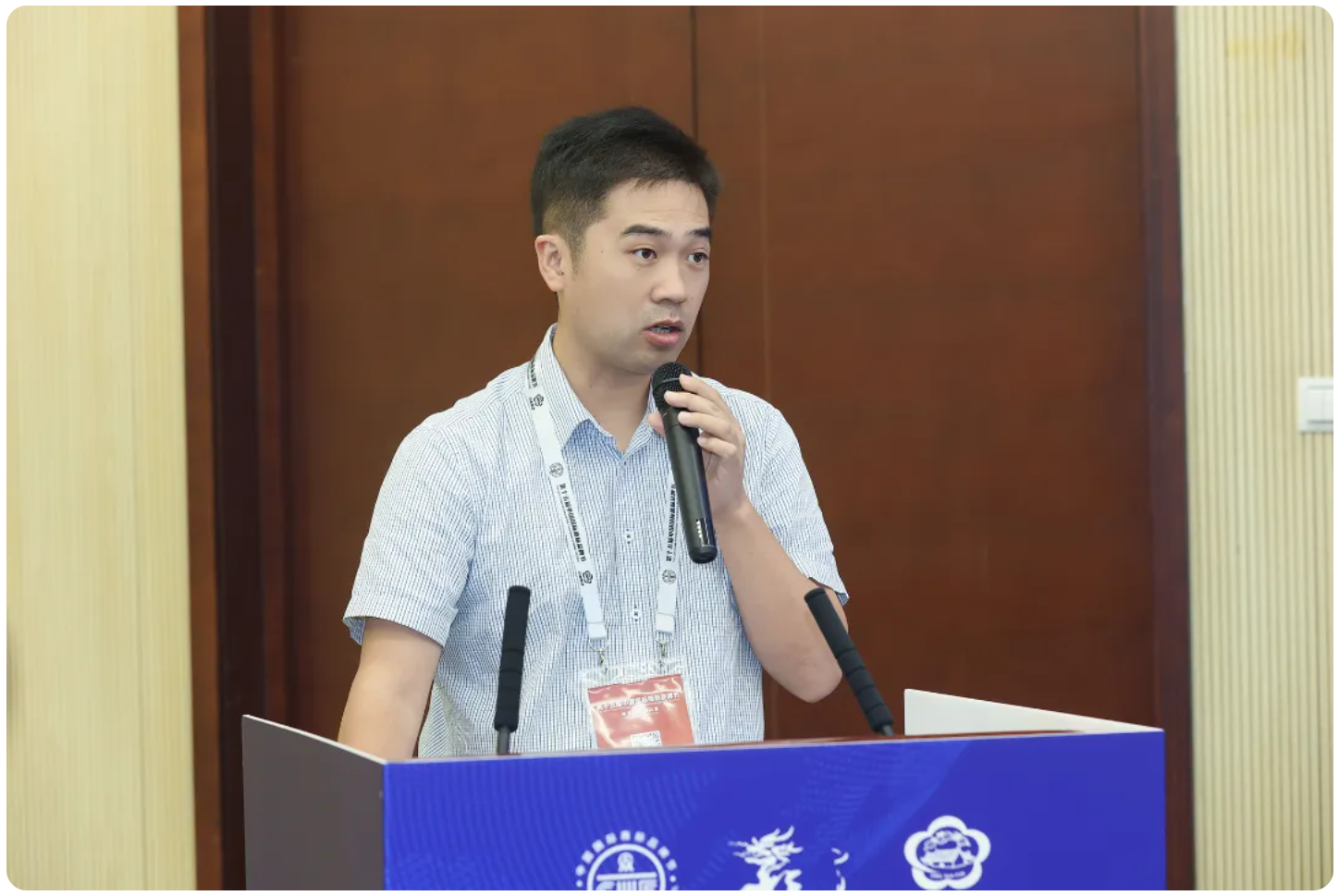
Shen Tao, Deputy Director of the Environmental Science Park Branch of Yixing Municipal Market Supervision and Administration Bureau, systematically dismantled the Internet application (App) trademark infringement processing logic from the perspective of law enforcement practice: in the infringement judgment link, it is necessary to focus on the four cores of "trademark use identification, App classification dispute, logo comparison, and confusion judgment"; In terms of law enforcement measures, it is necessary to strengthen evidence fixation and timely stop infringement behaviors; At the regulatory level, it is necessary to strengthen network technology capabilities, departmental collaboration, and execution coordination, and build a social governance pattern. He also suggested addressing the issue of classification lag by revising the "Classification Table" and issuing normative documents.
Judicial Judgment: Typical Cases Reveal the Logic of Classification Dispute Resolution
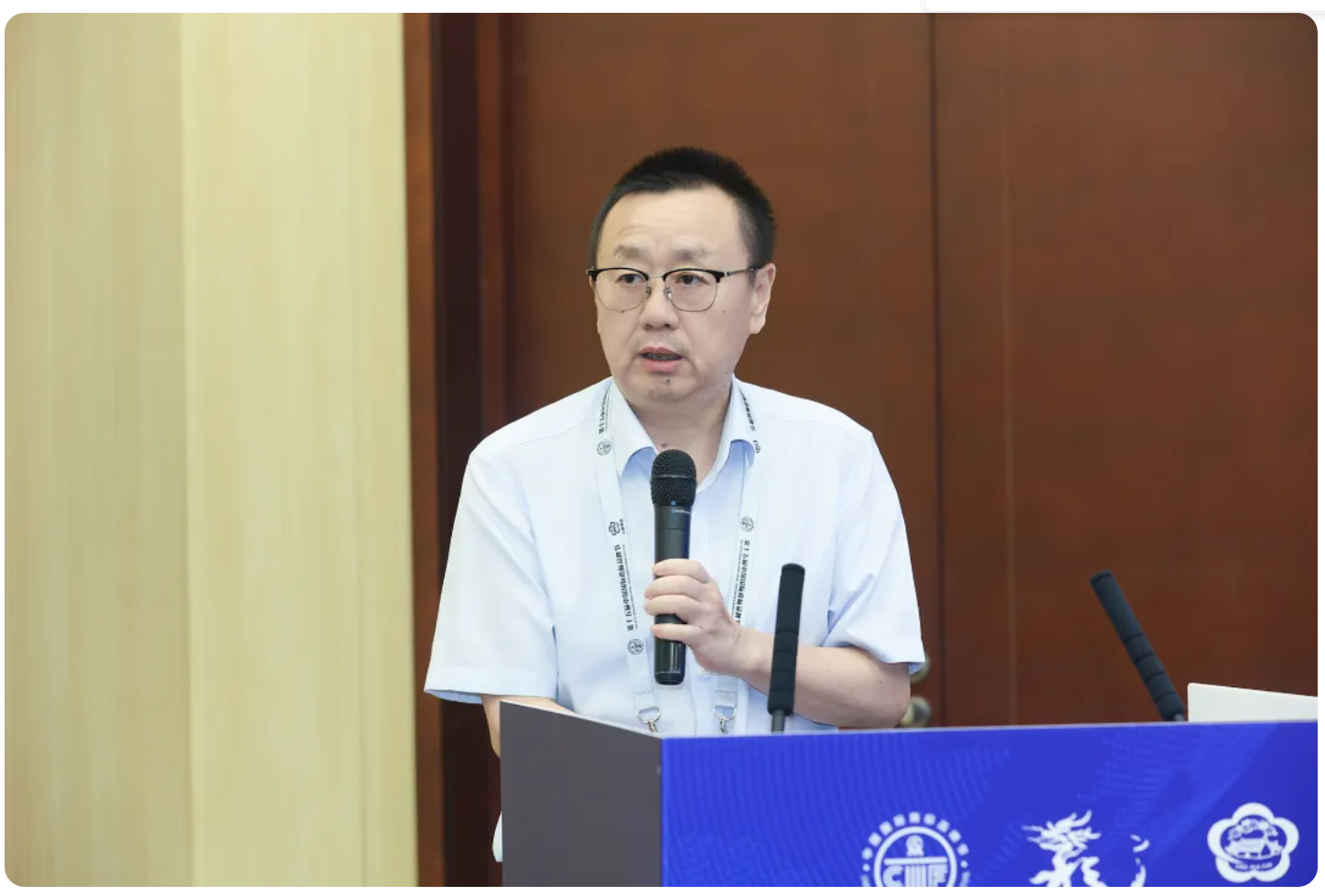
Yin Wei, a full-time member of the Trial Committee of Wuhan Intermediate People's Court, analyzed the core root cause of the classification dilemma from a judicial perspective - the "adaptability contradiction between traditional static classification systems and dynamic business development". He combined typical cases such as "Didi Chuxing" and "Bright Dairy" to explain the core principles of "combining the essence of business innovation, considering market reality, and balancing the rights and interests of all parties" in judicial judgments, and proposed specific paths: improving the dynamic update mechanism of the "Classification Table", strengthening the exemplary leading role of judicial cases, and providing reference for similar case judgments.
Finally, the host summarized the salon and pointed out that this event achieved a deep integration of "theory and practice, policy and practice, enterprise demands and regulatory ideas", which gathered consensus to solve the dilemma of trademark classification. Afterwards, all guests took a group photo to mark the end of the salon.
The successful hosting of this San You Salon is inseparable from the wonderful sharing of experts and guests, as well as the support and participation of the audience. Here, I would like to express my sincere gratitude to all the guests and friends who have attended the event!
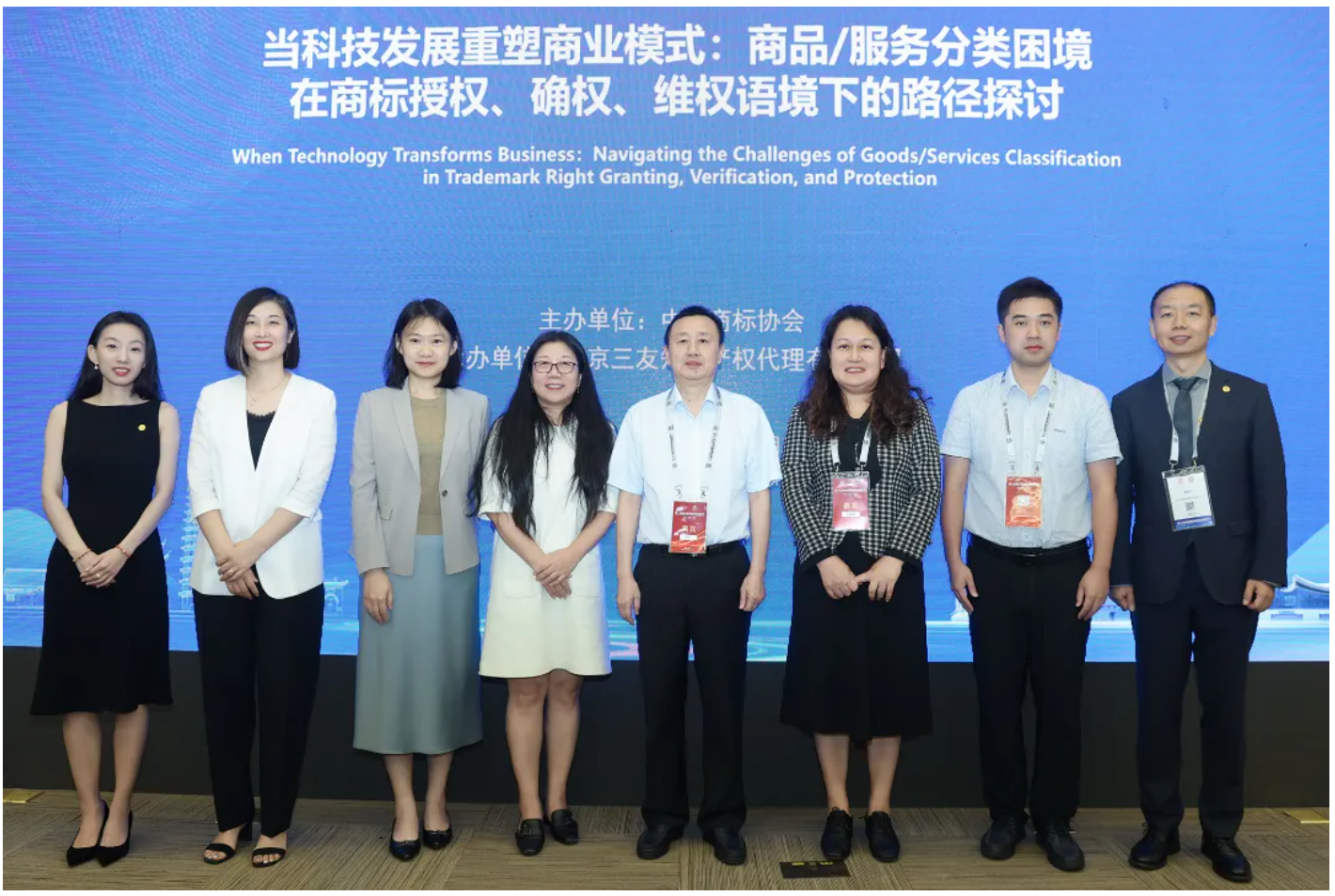
Speaker group photo
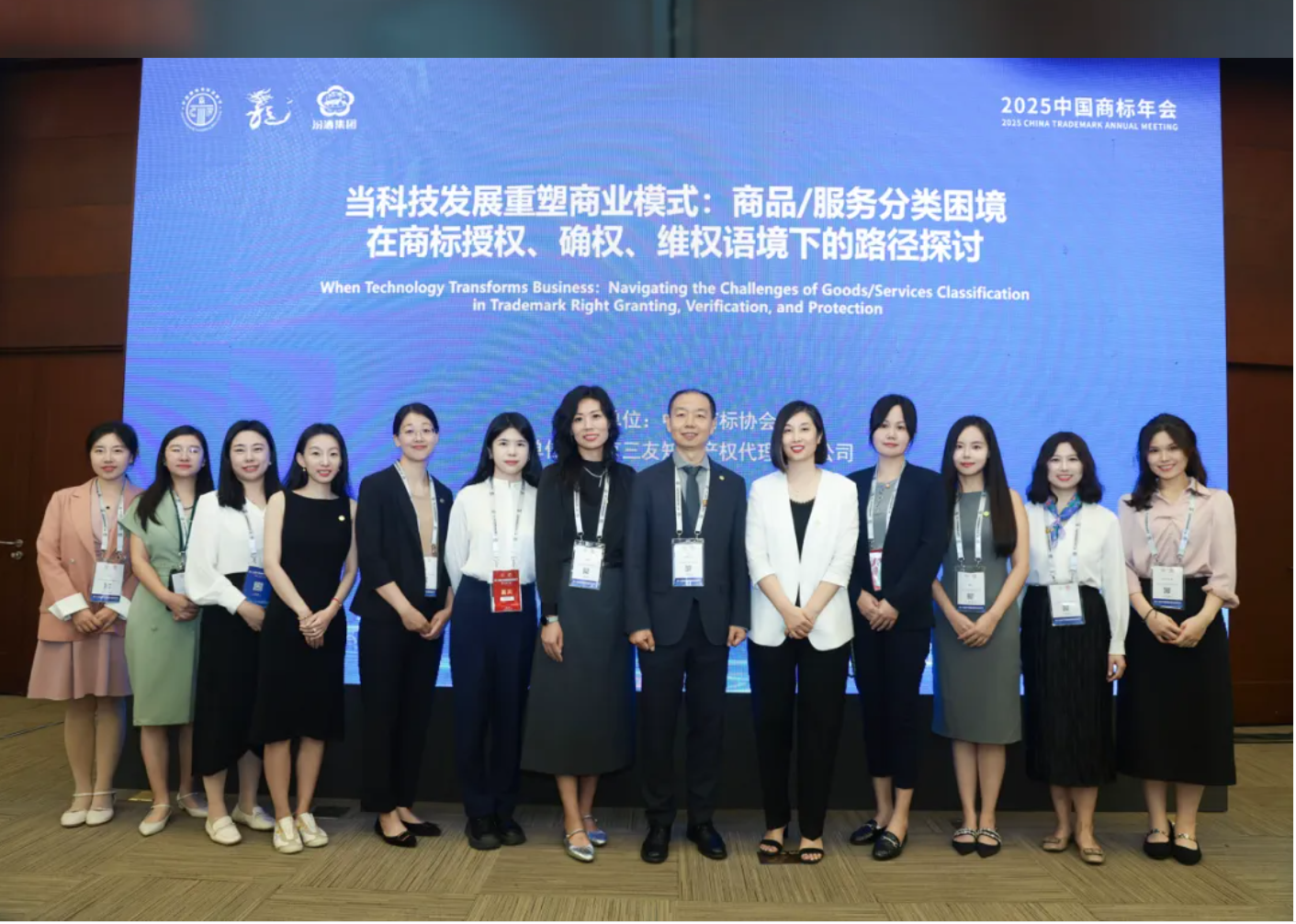
Group photo of three friends attending the conference
